The construction industry still follows traditional practices that rely on energy-intensive materials like conventional cement. The impact is huge on the environment due to such practices, How?Because cement production contributes up to 8% of global carbon dioxide emissions.
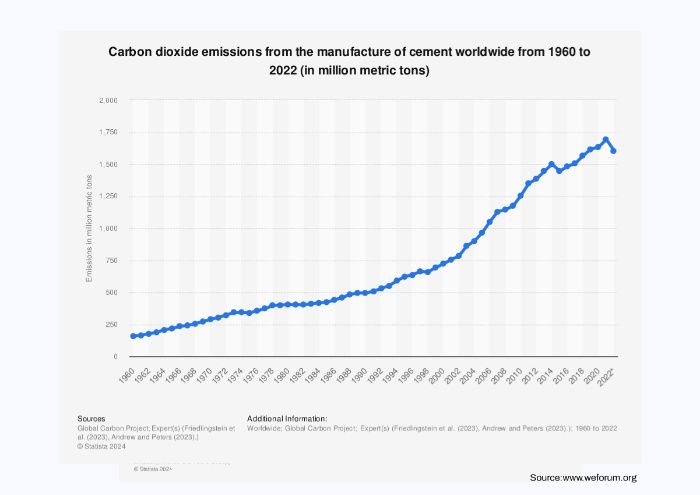
Furthermore, global construction output is projected to grow by 42% from 2022 to 2030. This output will result in an increased carbon footprint by the cement industry, further escalating the issues unless other solutions take center stage.
But there is an alternative. It is also called green cement, which contributes to sustainable construction.
Green cement and sustainable building materials emerge as key alternatives. The former requires incorporating industrial by-products like fly ash or ground-granulated blast furnace slag. This can cut emissions by as much as 40% compared to traditional cement.
Let’s dig in further as we explore the exciting possibilities of green cement and sustainable building materials.
What is Green Cement?
Green cement is a sustainable alternative to traditional cement. It is manufactured to reduce the environmental footprint of construction. The raw materials used for this eco-friendly cement include eco-friendly methods and the incorporation of industrial by-products such as fly ash, slag, or silica fume. All these are other, otherwise waste products.
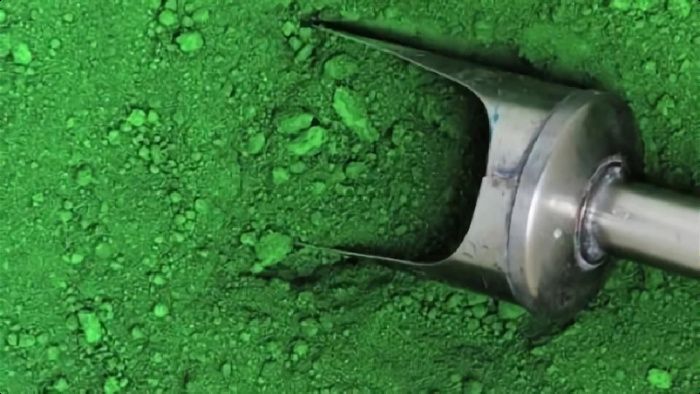
The greenhouse emissions are also low when producing green cement, particularly carbon dioxide, which means that it needs less energy than conventional cement manufacturing processes.
Features of Green Cement
Green cement is very different from traditional cement. Because it focuses on sustainability and product innovation.
The composition and manufacturing process of eco-friendly cement prioritize environmental responsibility. For this, green cement manufacturers must leverage advanced techniques that lower emissions and reduce resource consumption.
Below, we have mentioned a few of the major features of the green cement.
- The production process of green cement reduces CO₂ emissions by as much as 40% compared to traditional cement.
- Manufacturing eco cement requires lower production temperatures, which means less energy is consumed during the process.
- Structures built with green cement tend to last longer due to its improved chemical composition, adding strength and resilience.
- By using industrial by-products, green cement helps reduce landfill waste, promoting a more circular approach to resource use.
- Less reliance on natural raw materials like limestone and clay would mean preserving these for future generations.
- Certain formulations of green cement provide better insulation, which results in thermal efficiency and helps structures maintain more stable indoor temperatures.
How Green Cement Differs from Traditional Cement
Green cement stands out because it has a lower environmental impact when using different raw materials. Traditional cement primarily relies on clinker, which leads to high carbon emissions. However, green cement substitutes this with eco-friendly components.
| Aspect | Green Cement | Traditional Cement |
|---|---|---|
| Raw Materials | Incorporates industrial by-products like fly ash | Relies on limestone and clay |
| Carbon Emissions | Up to 40% lower | High emissions from clinker production |
| Energy Requirement | Lower due to reduced clinker usage | Higher due to energy-intensive processes |
| Environmental Impact | Eco-friendly, reduces waste | High due to CO2 emissions and natural resource use |
| Durability | Often more durable with advanced properties | Standard durability based on application |
Below is a concise comparison table highlighting how green cement is different from traditional cement.
Importance of Green Cement
The manufacturing of green cement is a major step towards a more sustainable construction industry. It addresses critical environmental concerns while offering performance advantages.
Here’s a closer look at why green cement is essential:
Lowers Carbon Emissions
The process lowers CO₂ emissions by up to 40%, playing an important role in tackling climate change and meeting sustainability goals.
Conserves Energy
Green cement requires less energy during production since it substitutes clinker with materials like fly ash and slag to reduce dependence on fossil fuels.
Reduces Waste
Industrial by-products such as fly ash, slag, and silica fumes, often considered waste, are repurposed in green cement production. This reduces landfill use and aligns with the principles of a circular economy.
Preserve Resources
By using less clinker, green cement decreases the extraction of raw materials like limestone, ensuring critical resources remain available for the future.
Promotes Cleaner Air
Green cement manufacturing releases fewer pollutants into the atmosphere, helping improve air quality in areas near production facilities.
Delivers Enhanced Durability and Performance
Buildings made with green cement often last longer, with improved resistance to chemical damage and better overall structural performance.
Offers Monetary Advantages
Using industrial by-products lowers raw material costs. Additionally, businesses may benefit from government incentives and tax breaks designed to encourage the use of sustainable materials.
Types of Green Cement
There are different types of green cement, each addressing unique environmental challenges and meeting various construction needs.
Each type of green cement incorporates different materials and production methods to enhance sustainability.
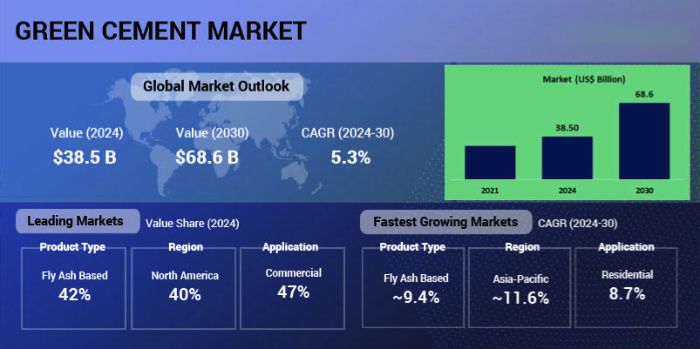
- Fly Ash-Based Cement: Utilizes fly ash, a by-product of coal combustion, to reduce clinker content and emissions.
- Slag Cement: Incorporates ground granulated blast furnace slag from steel production for enhanced strength and sustainability.
- Geopolymer Cement: Made from aluminosilicate materials, offering a low-carbon alternative.
- Recycled Cement: Employs crushed construction waste, promoting circular use of materials.
- Others: Includes innovative blends or region-specific variations tailored to unique requirements.
- Silica fume cement: Silica fume, a byproduct of silicon and ferrosilicon alloy production, is used to create high-strength concrete with improved resistance to chemical attacks.
- Limestone calcined clay cement (LC3): This emerging type of green cement uses calcined clay as a supplementary cementitious material, reducing the clinker content and offering a lower carbon footprint.
- Geopolymer cement: Geopolymer cement is an alkali-activated binder made from industrial byproducts or natural minerals. It offers excellent strength and durability while significantly reducing CO2 emissions.
Benefits of Green Cement
Overall, the use of eco-cement can benefit various sectors, including environmental preservation, societal health, and economic growth.
Let’s check those out in detail:
Environmental Benefits
- Reduced Carbon Footprint: Green cement production emits up to 40% less CO₂ compared to traditional methods, significantly mitigating climate change.
- Energy Efficiency: Manufacturing processes for green cement often consume less energy, leading to decreased fossil fuel usage and lower greenhouse gas emissions.
- Waste Utilization: By incorporating industrial by-products like fly ash and slag, green cement reduces waste and promotes recycling, lessening the strain on landfills.
Benefits to Society
- Improved Air Quality: Lower emissions from green cement production contribute to cleaner air, reducing respiratory and cardiovascular health risks for communities.
- Enhanced Building Durability: Structures built with green cement often exhibit increased resilience and longevity, ensuring safer living and working environments.
Economic Advantages
- Cost Savings: Utilizing industrial by-products can lower raw material costs, and energy-efficient production methods reduce operational expenses.
- Regulatory Compliance: Adopting green cement helps businesses meet environmental regulations, avoiding potential fines and enhancing corporate reputation.
- Market Competitiveness: As demand for sustainable construction materials grows, companies offering green cement can gain a competitive edge and access new market opportunities.
Challenges in Green Cement Production
We know the importance and benefits of green cement. However, as mentioned below, cement production for sustainable construction also comes with some challenges.
Below are some of those:
Technological Limitations
Developing and scaling up new manufacturing processes for green cement requires significant investment in research and development. For example, implementing technologies like carbon capture, utilization, and storage (CCUS) can become complex and costly, potentially increasing production expenses by over $100 per tonne of cement.
Raw Material Availability
Green cement relies on industrial by-products such as fly ash and slag. The availability of these materials can be inconsistent, affecting production stability and costs.
Performance Variability
It becomes necessary to ensure that green cement meets the same performance standards as traditional cement. Variations in raw material quality can lead to inconsistencies in the final product’s strength and durability.
Regulatory Hurdles
Existing building codes and standards are often tailored to traditional cement products. Updating these regulations to accommodate green cement requires time and coordination among various stakeholders.
Market Acceptance
The construction industry is traditionally conservative, and stakeholders may be hesitant to adopt new materials without extensive testing and proven long-term performance.
What is Sustainability in Construction?
When we speak of sustainability in construction, we mean the practices that are adopted in the construction industry to balance environmental protection, community welfare, and economic growth. Building designs aim to minimize harm to natural ecosystems while providing long-term benefits to people and businesses.
The core of sustainable construction is eco-friendly materials, energy-saving technologies, and waste-reduction strategies. Current trends in the construction industry suggest that sustainability in construction will play a huge role in conserving resources, reducing greenhouse gas emissions, and creating healthier indoor spaces for occupants.
Adopting sustainable methods ensures conservation of natural resources and improves the quality of life for surrounding communities.
As a guiding principle, sustainability has transformed modern construction practices to support a greener, more responsible future.
Importance of Sustainable Construction
Sustainable construction helps create a balance between development and environmental responsibility. The focus is on designing and building structures that minimize their impact on natural resources while delivering lasting benefits for both people and the planet.
Below, we’ll explore some of the top reasons that showcase the importance of sustainable building materials.
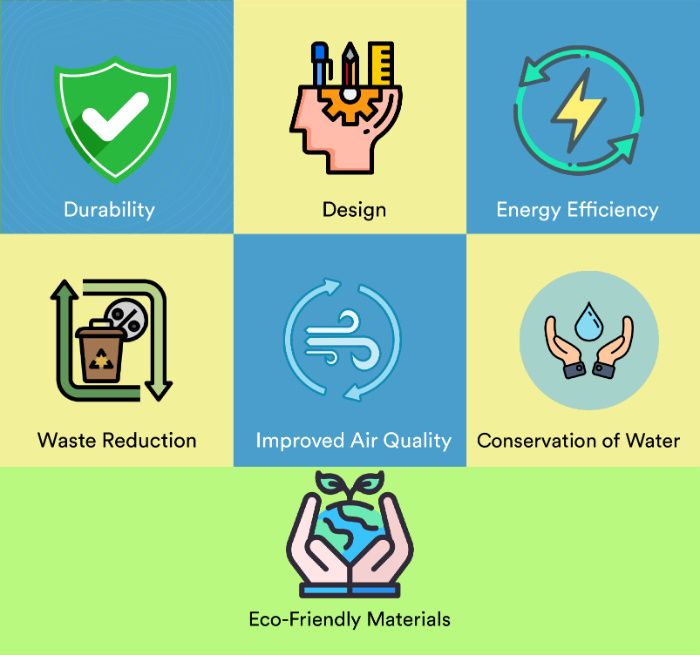
Design
Thoughtfully planned designs in sustainable construction emphasize functionality, aesthetics, and environmental harmony. Architects and engineers integrate eco-conscious elements like natural lighting, ventilation, and materials that reduce energy use and environmental strain.
Durability
Structures built with sustainable methods are designed to last longer as they reduce the need for frequent repairs or rebuilding. Such an extended lifespan saves resources while lowering the environmental impact of construction over time.
Energy Efficiency
Energy-efficient buildings consume less power by utilizing renewable sources, advanced insulation, and smart systems. Reduced energy demand directly contributes to lower greenhouse gas emissions and helps combat climate change.
Waste Reduction
Sustainable construction aims to minimize construction debris by reusing materials, recycling waste, and optimizing processes. Reducing waste reduces landfill dependency and promotes a circular economy in the industry.
Improved Air Quality
Building materials free from harmful chemicals and sustainable production methods result in healthier indoor and outdoor environments. Cleaner air contributes to better health outcomes for workers and occupants alike.
Conservation of Water
Water-efficient systems, such as rainwater harvesting and low-flow fixtures, ensure responsible water usage. Sustainable practices prevent wastage and promote resource availability for future generations.
Eco-Friendly Materials
Materials such as bamboo, recycled steel, and fly ash-based cement reduce construction projects' carbon footprints. These materials are not only sustainable but also support the transition to greener building solutions.
Benefits of Sustainable Construction
Sustainable construction offers a way to create buildings that are not only environmentally conscious but also practical and beneficial to society. These methods address pressing environmental concerns while delivering tangible advantages to businesses, communities, and individuals. Here are some key benefits:
Cost Efficiency
Sustainable construction practices often lead to long-term savings. Energy-efficient designs reduce utility bills, while the use of durable materials lowers maintenance and replacement costs over time. Additionally, businesses may qualify for tax incentives or subsidies to adopt eco-friendly building solutions.
Minimal Waste
By reusing materials and employing waste management strategies, sustainable construction significantly reduces the amount of debris sent to landfills. Techniques like modular construction and precise material planning ensure that resources are used wisely, cutting costs and environmental strain.
Noise Resistance
Sustainably built structures often include better soundproofing techniques and materials. This feature improves the quality of life for occupants by reducing noise pollution creating quieter and more comfortable environments.
Healthier Indoor Environments
Sustainable construction prioritizes the use of non-toxic materials, improved ventilation, and natural lighting. These elements create healthier indoor spaces that enhance the well-being and productivity of occupants and reduce respiratory and other health issues.
Energy Independence
Incorporating renewable energy sources like solar panels or wind turbines makes buildings more self-sufficient. These systems reduce reliance on conventional power grids, cutting energy costs and ensuring resilience against power outages.
Water Savings
Water-efficient fixtures and systems, such as rainwater harvesting and greywater recycling, contribute to sustainable water use. These solutions reduce utility costs and ensure that resources are conserved for future use.
Conclusion
Green cement and sustainable construction are set to transform the global cement market, making people more responsible and conscious about the future. Together, they address critical environmental challenges while offering practical solutions that benefit businesses, communities, and the planet.
As a leading cement plant manufacturers, we are dedicated to driving this transformation by promoting eco-friendly practices and innovative solutions. Green cement, with its reduced emissions and innovative use of by-products, sets a strong foundation for sustainable construction. Meanwhile, sustainable building practices expand this vision by promoting resource conservation, energy efficiency, and healthier environments.