When it is about cement manufacturing, the equipment you select is the most important factor for ensuring success. Each machine in a cement plant plays a big role in the process. The quality of cement, how smoothly the plant works, and even the costs all depend on the equipment. Also the global cement market growth continues to rise hence the demand for high-quality and efficient cement production equipment also increases.

There are various types of cement machines available. Each type of machine has its unique features. These features of cement manufacturing machines make them better for certain jobs. If you are starting a new plant or updating an existing one, it is important to know about cement plant equipment you require. Choosing the right machines with the right features is key for smooth operations.
In this conversation, we will talk about the main types of equipment in cement plants. We will explain the main industrial cement machinery features and how to pick the right one for your plant. By the end, you will have a better idea of what to look for when selecting machinery, ensuring your cement plant achieves efficiency and high standards. Let’s get started!
Types of Equipment Used in Cement Industry
Cement production is a complex process. It depends on advanced cement plant machinery to transform raw materials into a finished product. Below we have mentioned the key crucial cement manufacturing machines. Each equipment are important for efficient and high-quality cement manufacturing:
Crushers and Grinders
If you are planning to start a lime manufacturing business, understanding the role of cement crushers and cement grinders in the process is crucial. These machines are used in the early stages of cement production for raw material processing.
Crushers
It breaks down large rocks or raw materials, like limestone and clay, into smaller sizes. There are two key types:
- Primary Crushers: It used to break large rocks into smaller pieces. It used methods like jaw crushers or impact crushers for the operation.
- Secondary Crushers: It breaks the material into smaller pieces using tools like cone crushers or hammer crushers.
Grinders:
Once crushed, grinders turn the material into the fine powder required for cement production. The common types include:
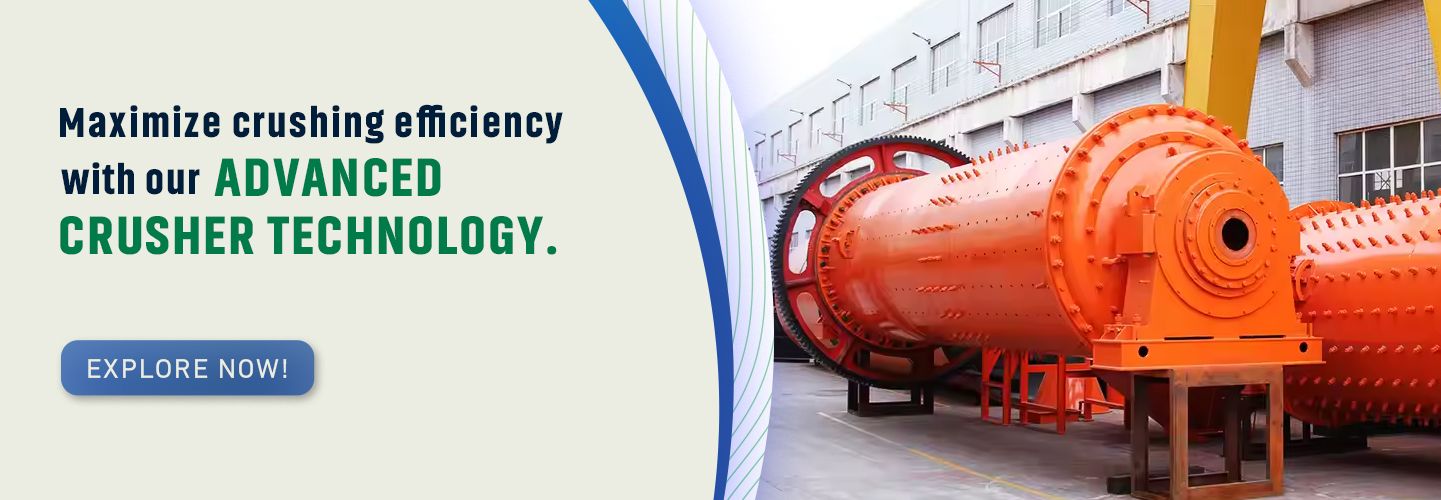
- Ball Mills : Use rotating large cylinders and grinding balls to break down the raw materials into fine powder.
- Vertical Mills : These mills are more efficient and save space as they grind materials in a vertical setup.
- Roller Mills : Use large rollers to grind the material. These mills are energy-efficient and provide a finer output than other grinding methods.
This streamlined process ensures raw materials are ready for the next stage in how cement is made in the factory.
Kilns and Preheater
Kilns
Kilns and preheaters play a crucial role in heating raw materials to extremely high temperatures, often exceeding 1,400°C, to create clinkers. These processes are vital in ensuring efficiency and quality in cement production. There are two main types of kilns used for this purpose.
- Rotary Kilns: These are long, nearly tilted rotating cylinders. The input of raw materials occurs from one end, and as the kiln rotates slowly, they move down towards the other end where they are heated inside to temperatures over 1,400°C. They are very efficient and can be used for large-scale production and good quality clinker.
- Vertical Shaft Kilns: These cement kilns machinery are compact and upright where raw materials move downwards while heat flows upwards. These consume less energy and are best cement manufacturing equipment for small plants.
Preheaters
Before entering the kiln, raw materials pass through a cyclone preheater.
Key Features of Preheaters:
- Tall structures with 4-6 stages for efficient heat transfer.
- Raw materials absorb heat from rising gases, reaching around 900°C
Functions:
- Maximizes heat transfer.
- Reduces energy consumption in the kiln.
- Separates solids and gases for efficient processing.
Cooling Equipment
Cooling machinery at a cement plant is important for temperature control in cement manufacture. They are of the following types:
Clinker Cooler: Because clinker leaves the kiln at extremely high temperatures, this equipment cools down clinker evenly with air or a rotating method. This also helps recover some of the heat for reuse.
Mill Cooling Systems: Prevents heat buildup during material grinding with systems like water injection or air blowers, ensuring smooth operation and protecting equipment.
Heat Exchangers: These systems are used to cool down hot gases and fluids in the cement plant. They come in two types:
- Air-cooled : Use outside air
- Water-cooled. Use water to absorb the heat.
Cooling Towers: It cools down large amounts of water used in cooling systems. It removes the heat from the water for water reuse.
Spray Cooling: For quick cooling, spray systems are used. They spray water mist over hot clinker or gases, quickly reducing the temperature.
These cooling systems help keep the temperature balanced. They improve energy efficiency and make the equipment last longer in a cement plant.
Conveyors and Feeders
Conveyors and feeders are important for moving materials in the production process.Baghouse Collectors
- Cement Plant Feeders: They transfer materials from storage (like silos) to equipment.
- Disc Feeders: Handle smaller particles.
- Vibrating Feeders: Manage larger, bulk materials.
Conveyors: These come in different types for specific tasks:
- Belt Conveyors for Cement Plant: Commonly used to move materials like coal or limestone over long distances.
- Bucket Elevators: Lift materials like clinker or gypsum vertically with buckets.
- Screw Conveyors: Transport fine materials like cement powder using a rotating screw.
- Drag Chain Conveyors: Move heavy and rough materials like clinker using chains with flights.
- Pneumatic Conveyors: Use air or gas to transport powdered materials like cement or fly ash through pipes.
Rotary Feeders: Control material flow into equipment like crushers for steady production.
These systems reduce manual work, improve material handling, and ensure smooth plant operations.
Dust Collectors and Filters
Dust collectors and filters keep air clean in cement plants. They control emissions and meet environmental rules. They capture dust from material handling, clinker production, and grinding.
Key Types:
- Baghouse Collectors: Use fabric filters to catch dust. They work well but need regular care.
- Electrostatic Precipitators (ESPs): Use electric charges to collect fine dust. They cost less to run but are expensive to install.
- Cyclone Separators: Use spinning force to remove larger dust. Simple to use but not great for fine dust.
- Venturi Scrubbers: Use water to trap fine dust. They are effective but need a lot of water.
Packaging Machines
Cement Packaging machines prepare cement for transport and sale. They automate tasks like filling, sealing, and packing, ensuring product safety and quality. These machines improve speed, cut labor costs, and reduce dust, making them efficient and eco-friendly.
There are various types of Packaging Machines available:
- Bulk Packaging Machines: Fill large cement quantities into bulk containers for large-scale transport.
- Bagging Machines: Pack cement into 25 kg to 50kg bags using open-mouth or valve systems.
- Form-Fill-Seal (FFS) Machines: Automate the formation, filling, and sealing of bags for high-speed and efficient operations.
- Vertical Form-Fill-Seal (VFFS) Machines: Pack powdered cement into adjustable-sized bags.
- Palletizing Machines: Automatically stack filled bags onto pallets for easier handling and transport.
- Stretch Wrapping Machines: Wrap palletized bags with plastic for secure transport.
Essential Features of Reliable Cement Manufacturing Equipment
Reliability and Durability
Cement production is tough work. Hence, your equipment should perform without frequent breakdowns. Therefore, choose machines:
- Built with strong materials like high-grade steel or alloys. These can handle wear, high heat, and pressure.
- Corrosion-resistant finishes like epoxy or galvanized coatings.
- Easy to maintain and have spare parts available.
Energy Efficiency
Energy efficiency helps save money and meet environmental rules. The right equipment should strike a balance between power usage and output. Machines with certifications like ISO 50001 are highly efficient and reliable.
Heat recovery systems can make a significant difference. They reuse waste heat, reducing overall energy consumption, while advanced insulation minimizes energy loss during high-temperature processes.
To align with sustainability goals, look for:
- Machinery that supports renewable energy sources.
- Features designed to lower carbon emissions.
Automation and Control Systems
Automated cement manufacturing equipment has revolutionized cement production. It makes the process faster, more accurate, and efficient. Modern machines handle tasks like grinding and mixing automatically. This helps save time and ensures precision.
Key features of modern cement plant machinery to consider:
- Integration: Make sure the new machines work well with your current setup. It’s great if they can connect to SCADA or ERP systems.
- Remote Monitoring: IoT systems allow real-time performance checks to reduce downtime.
Production Capacity and Scalability
Your equipment should meet today’s demands while leaving room for tomorrow’s growth. Check its capacity (tons per hour) to avoid overloading.
Also, choose modular design equipment as they make scaling easy by:
- Allowing upgrades without replacing the system.
- Adapting with minimal disruption.
Safety Features and Regulatory Compliance
Safety is a cornerstone of efficient and responsible manufacturing. Equipment should come with features like safety guards, emergency stops, and automatic shutdown mechanisms to handle hazardous situations.
Focus on equipment that also offers:
- Ergonomics: User-friendly designs reduce operator strain and improve efficiency.
- Compliance: Machines meeting standards like ISO, OSHA, and CE certifications guarantee quality and safety compliance.
Safety isn’t just about protecting workers—it’s about building trust and ensuring smooth operations.
Environmental Considerations
Environmental impact is a major concern in the cement industry. Hence, choose machines that offer features like dust suppression systems and high-efficiency air filters for maintaining air quality.
Additionally, prioritize:
- Machinery with waste recycling capabilities to reduce material costs and environmental impact.
- Noise-reduction features like insulated covers and vibration dampers. They improve the workplace and meet noise rules.
Using eco-friendly equipment helps both the planet and your business image.

Key Considerations for Choosing Cement Plant Equipment
Choosing the right cement plant equipment is important. It directly impacts operational efficiency, production quality, and long-term profitability. Here are the main things to think about:
Assessment of Construction Environment and Plant Requirements
Evaluate the size of your plant and the production needs. Questions to address include:
- What is the scale of production?
- How much space is available for equipment installation?
- What are the local traffic and logistical conditions?
Understanding these factors ensures that the equipment fits seamlessly into the plant's operations and meets capacity demands.
Reliability and Performance
The equipment should work reliably and give high-quality results. Focus on:
- Customization options to suit your needs.
- Advanced controls for smooth operations.
- Durability for long-term use.
- Compatibility with modern technology to stay updated.
Reliable equipment reduces downtime and lowers maintenance costs, keeping production steady.
Cost Analysis and Budgeting
Do a detailed cost analysis. Include the following:
- Initial purchase price.
- Site preparation and installation costs.
- Transportation and taxes.
- Long-term operational expenses.
A balanced approach between cost and quality ensures a sustainable investment.
Manufacturer Reputation and Support
Choosing a reputable manufacturer ensures quality and reliability. Focus on:
- Their experience and success in the industry.
- Guarantees and warranties they provide.
- Easy access to after-sales service and technical support.
- Deals or discounts for buying in bulk.
Working with a reliable manufacturer lowers risks and gives long-term support.
Compliance with Environmental Standards
Cement production generates significant emissions. Ensure the equipment includes:
- Dust collection systems like bag filters.
- Energy-efficient technologies.
- Features that follow environmental rules to cut greenhouse gas emissions.
By keeping these points in mind, businesses can choose the right equipment for efficient and green cement production.
Why Choose NNT Cement?
NNT Cement is listed in Top equipment manufacturing companies. We stand out because of our innovation, quality, and focus on sustainability. Here’s why you should choose NNT Cement:
- Comprehensive Product Range: From grinding to packaging and clinkerization, we provide top-quality machines, improving efficiency and reducing costs. Our products are designed to support the smooth production of grey cement, white cement, and ready-mix concrete (RMC).
- Focus on Innovation: With the adoption of modern tools such as the Science-Based Targets Initiative (SBTi) and focusing on energy-efficient cement plant machines, NNT ensures cutting-edge equipment for optimized production processes.
- Superior Value Proposition: NNT Cement stands on the four tenets of sustainability, innovation, customer focus, and empowerment of teams. Thus, this vision promises clients superior value in terms of both quality and service.
- Sustainability-Focused Certifications: NNT Cement adheres to global best practices in sustainable and efficient manufacturing machines. Our equipment supports businesses in achieving their Net Zero Concrete Roadmap and EP100 goals.
- Customized Solutions for Diverse Needs: Understanding that each manufacturing unit has unique requirements, NNT Cement offers tailored solutions. Whether it’s for Building Solutions or high-performance concrete plants, our equipment is built to cater to diverse construction need
Conclusion
The right cement production equipment will increase productivity and quality while maintaining them at the highest possible level. Features like energy efficiency, automation, durability, and compatibility with your plant’s infrastructure are essential for long-term success.
At NNT Cement, we offer high-quality, reliable equipment designed to fit your production needs. With a strong industry presence, a focus on eco-friendly practices, and a customer-first approach, NNT Cement is your trusted partner for boosting efficiency and success in the cement industry.
Get in touch today to take your cement plant business to the next level with top-quality equipment.