Have you ever wondered what powers the infrastructure around us, what keeps soil fertile, or what purifies water in so many parts of the world?
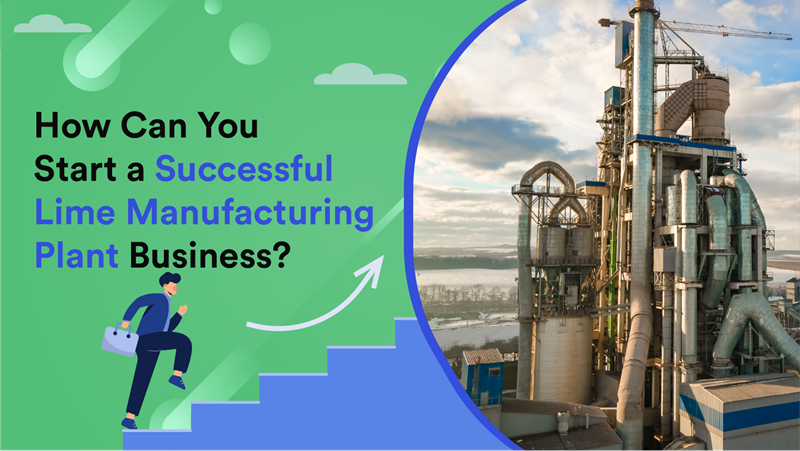
The answer often boils down to one essential material: lime. As a key ingredient in construction, agriculture, chemical processing, and environmental projects, lime has become a silent driver in our industrial world.
Demand for lime isn’t slowing down due to global infrastructure projects, but the push for sustainable agriculture and the uptick in steel production are all fueling this demand.
A report by Fortune Business Insights suggests that the global lime market was valued at $41.93 billion in 2023. It is expected to reach USD 53.27 billion by 2032, with a CAGR of 2.7%.
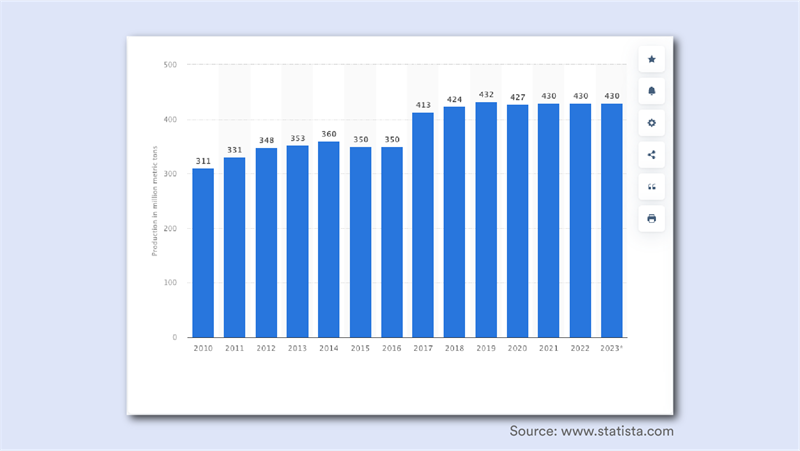
At the same time, limestone production has surged. Global lime production increased from 311 million metric tons in 2010 to 430 million metric tons in 2023.
So, if you are planning to start a lime manufacturing business, then this is the perfect time to enter the industry, as construction projects are on the rise worldwide. However, lime is not just used for concrete structures; it also plays a crucial role in steel manufacturing, water treatment, and even the food industry.
Starting a lime manufacturing business now positions you in a growing field, tapping into high demand across multiple industries and ensuring consistent market opportunities and a stable investment platform.
But where and how do we begin?
Well, that’s precisely what we’ll explore further in this piece.
History of Lime Production
Lime has been a part of human civilization for thousands of years, going back to some of the earliest known societies.
In ancient Mesopotamia, around 2500 BCE, lime was used as a sturdy building material, laying the foundation—literally—for some of the earliest constructions.
The Egyptians took it further, using lime plaster to create awe-inspiring monuments. Then there were the Romans, who mastered lime technology to develop durable mortars that helped structures withstand the elements and endure through centuries.

What started as a simple, labor-intensive process has evolved remarkably over time. Early production involved small, manual batches. Today, lime manufacturing is a highly industrialized process with advanced kilns and precise quality control.
How Is Lime Produced?
Lime production starts with quarrying limestone, which is then crushed to a manageable size. From there, the limestone moves through stages involving heating, cooling, and grading to produce different types of lime.
It's a transformation that takes place in kilns (more on it later)—specialized furnaces that heat limestone to release carbon dioxide, leaving behind quicklime.
Over time, technological advances have refined this process, leading to increased production efficiency and better quality control.
The below image explains, in hindsight, how Lime Produced in a factory.

These are significant elements that lime production plant manufacturers use:
Bunker and Vibrating Feeder: Raw limestone is stored in the bunker before being conveyed to a vibrating feeder, where it’s broken down into smaller pieces (<20mm).
Vertical Preheater and Rotary Kiln: The limestone then passes through a vertical preheater, where it is preheated before entering the rotary kiln. In the kiln, intense heat causes the limestone to break down into quicklime.
Cooling and Collection:The quicklime exits the kiln and passes through a vertical cooler, where air fans and cooling systems help it reach the desired temperature.
Crushing and Sieving: Once cooled, the lime undergoes a crushing process and is then sieved to separate fine powder from larger particles, which are subsequently stored in silos based on size.
Dust Control Systems: To minimize pollution, dust collectors and exhaust fans are used, ensuring cleaner emissions from the plant.
This systematic process has made modern lime production both efficient and adaptable to various industry requirements.
Application of Lime in Different Industries
Lime is an incredibly versatile material, finding applications across numerous sectors due to its unique properties.
Cement Manufacturing: Lime is a crucial component in cement because the quality of lime directly impacts its performance. Impurities or variations in the chemical composition of lime can affect the setting time, strength, and overall durability of the final cement product.
This is why a cement plant manufacturing company relies on high-quality lime to ensure the production of reliable construction materials.
Steel Manufacturing: In the steel industry, lime is used to remove impurities from molten metal. It acts as a flux, helping to separate impurities like silica, phosphorus, and sulfur, resulting in cleaner, higher-quality steel.
Agriculture: Farmers use agricultural lime to neutralize acidic soils, improving crop yields. Lime conditions the soil, making it more favorable for plant growth by balancing pH levels.
Environmental Management: Lime is widely used in environmental applications to treat wastewater and neutralize industrial waste. Its alkaline nature allows it to stabilize acidic waste, making it safer for disposal.
Chemical Production: Lime is a key ingredient in many chemical processes. It is used to produce chemicals such as calcium carbide and soda ash, which are fundamental to the manufacturing of glass, paper, and detergents.
Benefits of Starting a Lime Manufacturing Plant Business
Starting a lime manufacturing business is a serious investment, and knowing the benefits is key to maximizing your return.
When you understand why lime is in demand, where it’s used, and how it fits into various industries, you’re better equipped to make strategic decisions that lead to profitability.
Here’s a look at the core benefits that make lime manufacturing a promising venture:
High Demand and Market Stability: Lime is an essential material in industries like construction, agriculture, and steel production. This steady demand creates a stable market, helping protect your business from drastic downturns, even during economic fluctuations.
Multiple Applications Across Industries: Lime’s versatility means it serves multiple purposes, from treating soil in agriculture to purifying water and enhancing the quality of construction materials. This broad usage gives lime a unique advantage, making it less vulnerable to market shifts within a single industry.
High Potential for Growth and Expansion: As urbanization continues and emerging markets develop, the need for lime in infrastructure and industrial processes is expected to rise. This growth creates room for businesses to scale, diversify product lines, or even enter new markets.
Limited Number of Large-Scale Producers: Unlike some industries dominated by numerous large players, lime manufacturing has relatively few large-scale producers. This creates a window of opportunity for new entrants who can deliver high-quality products and capture market share.
Opportunities for Niche Products in Mini Cement Plant Manufacturing: Beyond traditional lime products, there’s a growing demand for specialized items, like those used in mini cement plants. Targeting these niche markets allows manufacturers to meet specific needs, often with less competition and potentially higher margins.
Step-by-Step Guide to Starting a Lime Manufacturing Business
Setting up a lime manufacturing business is no small feat. It’s a detailed, layered process where each step matters, from understanding your market to estimating startup costs.
Understanding each stage of the process is essential for success, and we're here to equip you with the knowledge and resources you need to navigate this exciting journey.
Conducting Market Research and Feasibility Analysis
Before exploring machinery and locations, you must ensure that there is a demand for your lime manufacturing plant business.
A thorough market research and feasibility analysis will help you understand the demand for lime in your target market, identify potential challenges, and ultimately determine the viability of your business venture.
Here’s how to break it down:
Analyzing Demand and Target Market Segments
Think of this as scoping the playing field. Who are your potential customers? Are you targeting the construction industry, with its voracious appetite for cement?
For this, you’ll have to —
Ask the right questions
Who will buy your lime? Different sectors, such as construction, agriculture, and steel manufacturing, rely on lime in unique ways. In construction, lime is essential for cement manufacturing and plastering.
It improves soil quality and boosts crop yield in agriculture. Understanding these needs will help you decide which market segment to target and how to position your business effectively.
Gather essential data
It’s also essential to gather complex data. Look into industry reports, local demand, and any government initiatives in construction or agriculture that might fuel demand.
If you’re eyeing upcoming markets, then you must consider how urbanization might impact lime demand. Tools like Statista and Mordor Intelligence often provide insights into industry trends, giving you a real-world sense of the market’s needs.
Conducting a Competitor Analysis in Lime Production
Knowing who’s already there can give you a big advantage. Research local and regional competitors, especially those offering niche products, such as suppliers to mini cement plant manufacturers or lime production plant manufacturers focused on eco-friendly practices.
Observing that established players in mature markets, such as the U.S. or Europe, can also reveal potential opportunities in growing regions. By grasping these details, you’ll be in a stronger position to establish a unique spot in the lime manufacturing business.
Estimating Initial Costs for Setting Up a Lime Manufacturing Plant
Starting a lime manufacturing business requires significant investment.
However, once you do the research and understand market dynamics, you should have a fair idea of how much it would cost to set up a lime manufacturing plant.
The following factors are considered.
Cost Breakdown for Equipment and Facilities
Equipment costs can vary widely depending on the scale of your plant and the technology you choose.
Essential machinery includes crushers, kilns (like rotary kilns for higher capacity), and storage solutions such as silos. Rotary kiln cement plants are popular choices for high-capacity lime production as they’re efficient and reliable, though they come with a steeper initial cost.
Beyond machinery, you’ll need facilities like warehouses to store both raw materials and finished products. In some cases, prefab warehouses are a cost-effective solution, especially if you need a quick setup. These can save you both time and labor costs.
Projected Costs of Raw Materials and Labor
Limestone is the primary raw material for lime production, but don’t overlook the other essentials like fuel for kilns, packaging materials, and transportation. Costs for limestone itself vary based on location, so if your plant is near a limestone quarry, you may save on transportation. Labor costs will vary by location and scale of your operation.
Skilled operators of kilns and crushers may demand higher wages, but their expertise is invaluable for keeping the plant running smoothly.
Choose the Ideal Location for Your Plant
Think of choosing the right location to set up the base camp for a big climb. It’s not just about “where” your plant will sit; it’s about setting it up in a way that gives you every advantage. A solid location keeps operations running smoothly, saves on costs, and helps you get products to your customers with ease. Here’s what to keep in mind:
Keeping it Close to Limestone Quarries
Lime production depends on limestone, so being near a good quarry means cutting down on both transport costs and time delays. Imagine hauling tons of rock across a long distance—that’s expensive and time-consuming. A nearby quarry makes everything simpler.
Choose Top-Quality Transport Connections
Picture your plant as a hub, with products going out and materials coming in. Easy access to major roads, railways, or ports is crucial. You don’t want delays because your site is tucked away from major transport routes. Proximity to highways or railways can make or break efficient distribution, and it’s something you’ll thank yourself for later.
Availability of Utilities and Waste Management
Reliable water, power, and waste solutions are essential. Power keeps your machinery moving, and water might be needed for cooling and dust control. And let’s talk waste—having a sound waste management system in place is not just good practice; it’s required if you want to meet environmental standards.
Skilled Workforce Nearby
Don’t overlook the talent pool. A location with access to a skilled workforce means smoother hiring and fewer operational hiccups. It’s a bonus if local workers already have experience in manufacturing.
Securing Raw Materials and Supplier Partnerships
Finding reliable suppliers is like setting up a safety net for your lime manufacturing plant. Without a steady, quality supply of raw materials, production can slow down or even stop, so building these partnerships is a big deal. Let’s look at a few key steps for locking down the right vendors:
Building Relationships with Quarry Operators
Limestone is the heart of your product, so finding trustworthy quarry operators is a must. These partnerships are about more than transactions—they ensure you’re getting consistent quality right when you need it.
When your suppliers know you’re committed, they’re more likely to support your business in return, ensuring priority access and better alignment with your production needs.
Setting Quality Standards for Raw Limestone
Not all limestone is the same. Quality varies, and even small differences can affect your end product. Work with your suppliers to set clear quality expectations early. It’s worth explaining what’s non-negotiable, whether it’s the limestone’s purity, size, or specific properties.
When both sides are on the same page, consistent quality that keeps your production reliable is easier to achieve.
Organizing Inventory Management
Managing your inventory is more than just keeping stock; it’s about planning. A system that tracks how much limestone you have, what’s coming in, and when it’s being used helps prevent surprises. You don’t want to run out of materials mid-production, but overstocking can also lead to waste. A simple tracking system keeps everything balanced and reduces unexpected costs.
Negotiating Flexible Terms with Suppliers
Locking in vendor flexibility is a smart move. For example, you might negotiate for staggered delivery schedules or extended payment terms, giving you some breathing room if demand dips or production slows. Flexibility can be a lifeline when the market shifts.
Exploring Eco-Friendly Sourcing Options
More and more customers are looking for companies that care about the environment. Partnering with suppliers who take steps to minimize their environmental impact can be a plus for your business. It shows that your lime manufacturing plant isn’t just about profit but also responsible practices.
Setting Up Your Manufacturing Facility
Now that the “where” is handled, it’s time for the “how.”
Setting up a lime manufacturing facility is where everything starts to come together. Here, careful planning turns a space into a fully functional plant.
Get this right, and you’ll save yourself a lot of challenges down the road.
Smart Design and Layout
A good layout isn’t just about squeezing in as much as possible; it’s about flow. Picture how materials will move from one station to the next—raw limestone from storage to crusher, crushed limestone to kiln, and so on. Smart layout saves time and reduces unnecessary movement.
Building or Leasing a Warehouse
Storage is key in any lime manufacturing business. You’ll need a place to store both raw materials and finished products. Deciding between building or leasing comes down to cost, but remember that a prefab warehouse can offer flexibility if you need space quickly or plan to expand later.
Choosing Machinery That Works for You
Don’t just pick the first machine that promises “efficiency.” Look for energy-saving options, as these will keep costs in check.
Rotary kilns, for example, are popular in high-capacity lime production, but there are other energy-efficient machines to consider. Think long-term savings here and consider a trusted stacker reclaimer manufacturer who can help set up and customize the suitable machine to help homogenize and stabilize the cement kiln.
Setting Up Quality Control
Consistency matters. A quality control system ensures each batch meets the required standards. This isn’t just a checklist item; it’s what will set your lime apart from others in the market.
Environmental Safety and Compliance
Do not overlook the safety aspects when starting a lime manufacturing business. Dust control systems, exhaust filters, and waste disposal are all necessary to meet regulations and keep your workforce safe. Plus, an environmentally friendly approach builds trust with the community.
Ensuring Waste Management and Storage Optimization
When it comes to lime production, managing waste and optimizing storage go hand in hand. Without careful handling, excess waste and poor storage practices can lead to product loss, extra costs, and even potential environmental issues.
Here, we’ll break down the essentials of both waste management and storage optimization to help you keep quality high and minimize losses.
Reusing Byproducts to Minimize Waste
In lime manufacturing, byproducts like lime dust often accumulate during processing. Instead of discarding it, this dust can be reused in cement production or other industries, turning what might have been waste into an additional resource.
By working with partners or industries that can utilize these byproducts, you reduce waste and create new value from materials that would otherwise go unused.
Investing in Suitable Warehouse Solutions
Proper storage of produced lime is critical to preserving quality. Warehouses and storage silos provide controlled environments that keep the lime dry and prevent contamination. Prefabricated warehouses offer a flexible, scalable option for expanding storage needs as your business grows, allowing you to adapt quickly without major construction costs.
Having a warehouse for cement, provided by reputable cement storage warehouse manufacturers, will cause less waste due to spoilage, helping you make the most of your production.
Implementing Environmental Control Measures in Storage Areas
Lime can lose its quality if exposed to moisture, heat, or air pollutants. Setting up simple environmental controls—such as ventilation systems, dehumidifiers, and temperature monitors—inside your storage facilities helps maintain optimal conditions.
Regular checks for humidity and temperature can prevent product degradation, so your lime stays fresh and effective when it reaches your clients.
Conclusion
Taking the leap into lime manufacturing means entering a field with a rich history and a promising future. Every decision—from picking the right suppliers and storage strategies to choosing an ideal plant location—is a building block toward success. Setting up a business isn’t just about following steps; it’s about creating a path that aligns with your vision and the market’s demands.
The journey ahead will have its twists and turns, but the rewards can be significant if you’re well-prepared.
At NNT Cement, we specialize in providing comprehensive solutions to support your lime manufacturing business. From sourcing quality limestone to optimizing production processes and storage strategies, our expertise helps you build a strong foundation for success.
Remember, establishing your lime manufacturing plant is as much about relationships as it is production. Collaborating with reliable partners, like NNT Cement, ensures you have access to the resources, knowledge, and support needed to thrive in this industry.
For those starting out, focus on the basics, stay adaptable, and learn from each stage of the process. With a solid plan, a keen eye on industry trends, and a commitment to quality, your lime manufacturing business is well on its way to making a mark. Trust NNT Cement to guide you through this journey.