Cement is an essential part of the construction business and a major modern infrastructure and development element. It is a versatile and indispensable material that has been pivotal in shaping cities and urban landscapes.
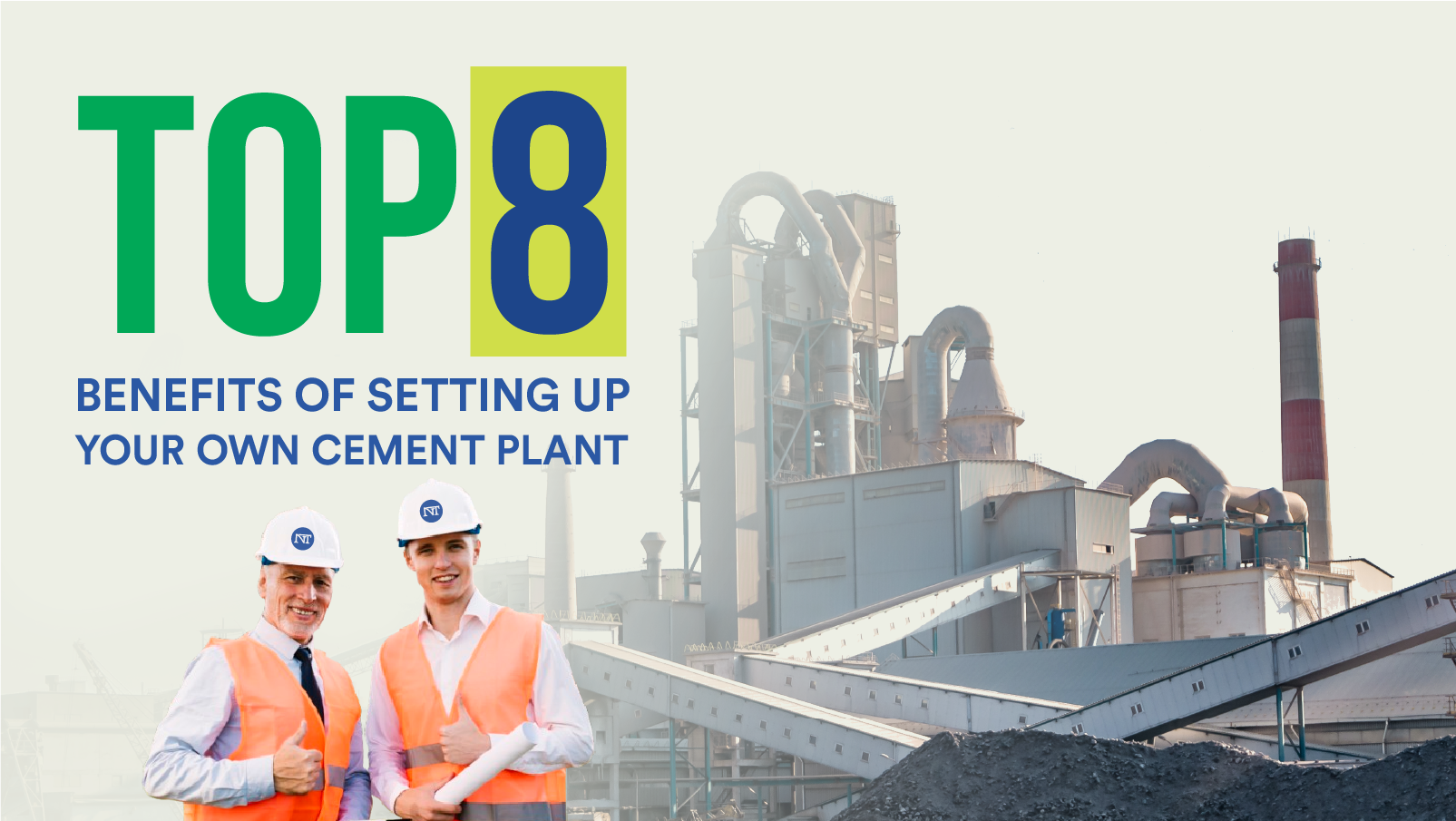
Cement is the glue that holds the other construction materials together and makes strong, long-lasting structures like tall skyscrapers and strong bridges. This is a critical aspect of construction as it guarantees that buildings and infrastructure around the globe will be able to withstand the test of time, remain stable, and be fit for purpose.
As a result of continuous improvements in cement technology, cement has established its position as the backbone of the construction industry, leading to new sustainable architecturally pursued solutions. With the help of this blog, you can explore how to start your own cement business and the key benefits of establishing your own cement plant.
Importance of Cement in Construction
With its unmatched versatility, cement is always a builder, architect, and engineer-friendly material. It has a key role in construction as it can bind materials like sand, gravel, and other aggregates into a rigid form. It is still creating beautiful homes, factories, and other structures that meet our needs for residential, commercial, and industrial projects.
Consider Some of the Key Benefits:
- Strength: Cement-based structures can withstand natural forces like wind, rain, and earthquakes for many years.
- Sustainability: The new cement technology has given rise to new alternatives and materials in cement that can have a lower carbon footprint than the native type and will still slowly work.
- Cost-Effectiveness: Cement is a widely available and affordable substance, suitable for construction projects of any scale, from the largest infrastructural developments to small residential homes.
- Adaptability: From the foundations of a structure to design components, cement's wide range of applications contributes to its place at the foundation of modern construction.
Cement as the Backbone of the Construction Industry
The cement dependency of the construction industry is old and has never ceased. However, growing global urbanization has triggered further demand for stronger, stable construction materials, making cement an indispensable part of development.
According to experts, the global market size of cement industry is expected to reach $603.56 billion by the end of 2030. Precast concrete and 3D concrete are the reason behind the massive growth. It is a development tool for sustainable building practices and smart city applications that move beyond 20th-century resource use.
Cement lays the groundwork for:
- Urban Setting: Cement is a vital element enabling the construction of high-rise buildings, residential neighborhoods, and urban facilities related to urbanization.
- Infrastructure Expansion: Whether it is bridges and freeways, dams, or energy facilities, construction depends on cement to create global zones of economic and social movement.
- Sustainability Targets: Using energy-efficient technologies during cement production and alternative fuels aligns the material with contemporary sustainability goals, which means that this highly consumed product does not harm the environment while providing the necessary performance features.
Why Set Up Your Own Cement Plant?
The construction industry’s relentless growth creates an ever-increasing demand for high-quality cement. Owning a cement plant not only addresses this demand but also provides businesses with unparalleled control over production and quality, enabling them to capitalize on a booming market.
Growing Demand for Cement Globally
Global Cement Market Growth is benefitted from rapid urbanization, population increase and extensive infrastructure development. Industry insight states that the construction taking place in both the developed and developing countries are pouring an unmatchable demand for cement. This growth opens up a profitable road for businesses to invest in Cement Manufacturing Plant, ensuring their long-term profitability and relevance in the market.
Economic and Strategic Advantages for Businesses
There are basic economic and strategic benefits to establishing your cement plant. These include:
- Cost: Using your cement reduces dependency on external supply, minimizes procuring costs, and offers a stable supply.
- Increasing Revenues: Cement demand is growing worldwide, so business owners can benefit from soaring sales and significant profits.
- Market Leadership: Cement plant ownership places your business in a sector where it can be a significant player, gain credibility, and build an influence in the overall market.
Discover the Top Advantages of Starting Your Own Cement Factory
There are several benefits of setting up a cement plant. The benefits range from improved operational control to supporting sustainability targets. This article discusses the major benefits of Starting Your Cement Factory.

Cost Savings
Setting up your own cement plant provides unmatched opportunities to reduce operational expenses. By producing cement in-house, businesses can streamline processes, leading to significant financial advantages.
- Reduced Production Costs: In-house cement production also drastically cuts down dependence on outside providers. This provides a stable and predictable supply chain while lowering the average production costs.
- Economies of Scale: Mass production of cement allows businesses to operate at cost-effective levels with the most productive resource utilization. This leads to lower costs per vehicle and greater vehicle profits, constituting the second pillar, cement plant setup advantages.
- Increased Profit Margins: Owning production allows for maximum efficiency and minimal wastage, ensuring a competitive bottom line and pricing.
Control Over Quality
Having control over your cement production process ensures every batch meets high standards. This not only boosts customer confidence but also strengthens your market position by delivering consistently superior products.
- Consistency in Production: Consistent product quality is crucial for fulfilling your customers' expectations and meeting industry standards; therefore, setting up your own Cement Manufacturing Plant assures you of this.
- Meeting Industry Standards: Through strict manufacturing procedures, one can manufacture high-quality cement, which enhances one's market position as a cement plant manufacturer with a good business reputation.
- Enhanced Reputation: Inbound good-quality cement offers a reliable source that enhances your organization's brand credibility and bestows the ability of your company to be termed a leader in the construction materials industry. This does not only bring customers to you but also helps you build long-term goodwill with your partners.
Meeting Local Market Demand
By catering to the local market, your cement plant serves the right niche to remain competitive and relevant. When manufacturing is adapted to local expectations, it allows an end to the path of least resistance and businesses become able to cultivate a loyal customer base and sustainable growth.
- Catering to Regional Needs: A local cement plant business caters to the specific requirements of the region and fulfills the business's customary and time-sensitive needs.
- Shorter Supply Chain: Being close to local markets cuts transportation costs and delivery times, thus boosting operational efficiency and customer satisfaction.
Market Leadership
You can establish an influence within the construction line of businesses. This demonstrates your ability to handle large volume demand, leading the way and establishing benchmarks in the industry.
Revenue Diversification: Plant ownership creates an opportunity for adding new sources of revenue.
- Turnover of by-products: recycling and selling waste products from cement production.
- Wider Product Range Providing all types of cement options for customers with different construction needs.
Export Opportunities: Due to the increasing cement demand worldwide, organizations can open the doors to international trade, generate export revenues, and have an international presence in one of the most high-demand industries.
Long-Term Strategic Advantage
Building this kind of plant represents a long-term play in a very rapidly changing business. By mirroring global infrastructure trends and market needs, it guarantees long-term viability. In addition, this type of strategy augments the competitiveness of your business, allowing you to innovate and fill your portfolio with practices that make you more resilient to market shifts.
- Future-Proof Business: Establishing a cement manufacturing plant helps to secure future growth by aligning your business with the ongoing trends of infrastructure development and urbanization worldwide.
- Infrastructure Growth: Cement is essential for most infrastructure projects, and basic needs are natural for any country, so this contribution is part of the social work and progress of a nation.
- Competitive Edge: A cement plant guarantees not only the certainty of getting competitive prices and steady supply but also the best quality material. All this will ensure that your business stays ahead of the competitors in the market.
Sustainable / Eco-Friendly
The wider construction sector sees these sustainability efforts in cement production — transformative. When manufacturers provide these types of components, they are helping to mitigate the impact of infrastructure on the environment with sustainability practices. All of these efforts are on par with global environmental objectives to stimulate creativity towards energy conservation, waste recycling, and the use of renewable resources to provide cities that can develop in a sustainable manner.
- Energy-Efficient Technologies: Applying advanced technologies in cement manufacturing helps minimize energy usage, production costs, and environmental footprint.
- Utilizing Renewable Resources: Utilizing renewable energy sources like solar and wind energy reduces your operations' carbon emissions, aiding in sustainable construction techniques.
- Recycling Waste: Here are some innovative solutions that help recycle by-products (recycled contents), like fly ash, slag, etc., to practice a circular economy and reduce waste.
Customization and Flexibility
Cement being a bulk commodity needs lots of customization and flexibility in its production technique to meet specific needs of a client. Such flexibility translates into satisfied customers and creates opportunities for offering innovative solutions to the diverse construction requirements.
- Tailored Production: With Cement Plant Businesses, businesses can customize the cement properties according to customer requirements. This helps increase customer satisfaction.
- Scalability: Scalable production processes enable businesses to pivot quickly to meet market demands, which is essential for long-term operations.
- Innovative Solutions: Investing in first-class technologies guarantees your plant will be ahead of the trends in the industry and inspire innovation and competitiveness.
Employment and Contribution to the Economy
A new cement plant is a stimulus for a boom in local economic activity. Direct employment opportunities will be created and ancillary industries will be encouraged — all of which bolster economic growth.
- Local Employment: Establishing a cement plant provides substantial job opportunities, leading to the socio-economic underdevelopment of the surrounding region.
- Boosting Local Economy: The economic activity of cement production contributes to regional development and enhances infrastructure and other public services.
- Community Development: Local paving companies can also help their community and make themselves more appealing to the residents by supporting local projects and initiatives, creating goodwill and loyalty between the residents and the companies, and driving revenue.
Conclusion
The benefits of building your cement plant are strategic. Owning a cement plant is a solid business investment for the years to come, from lowering your operational costs and improving your quality control to catering to the local market needs and your sustainability targets. You should consider key factors to establish a cement plant for a seamless and lucrative business ahead.
Start your own cement plant as it is an Investment for your Future! Capitalize on the benefits of launching your own Cement factory to get one step forward in the growing market for cement in the construction business!